Beyond the QR Code: 4 Phygital Strategies Redefining Brand Activations
Why the Boundaries Between Physical and Digital Are Disappearing
QR codes, which entered our lives with the pandemic and never left, became the simplest bridge between the physical and digital worlds. However, at the current stage of experience marketing, this bridge is no longer sufficient. For those looking to create genuine engagement and build brand loyalty, phygital brand activations have evolved from a novelty into a strategic imperative. The challenge is no longer just about adding a digital layer to a physical space; it's about transforming these two worlds into an ecosystem that communicates, learns from each other, and offers a single, fluid experience for the participant.
Consider Spotify's annual "Wrapped" experience. This personal summary, based entirely on digital data, transforms into a massive brand moment as millions of users share it across social media in the physical world. This is where the power of phygital lies: transforming digital data into a meaningful and shareable experience in the physical world. So, how can brands move beyond the QR code and harness this power? Here are four strategic phygital approaches reshaping brand activations.
1. Data-Driven Dynamic Personalization
The era of static digital experiences, delivering the same message to everyone, is over. The future lies in dynamic experiences shaped by who the participant is, their past interactions, and even their real-time behavior within the event space. Data collected via NFC wristbands, RFID technology, or a brand's mobile application can personalize the physical experience in real-time.
For instance, at a car launch, a visitor who previously browsed a specific model on the brand's website might receive a notification on their phone highlighting only that model's key features upon entering the exhibition area. Or, at a fashion event, as a participant walks past a stand featuring an item they previously added to their online shopping cart, the stand's lighting could change to give them a special signal. This approach deepens the bond between the participant and the brand by making them feel "special" and seen.
2. Creating Context with Augmented Reality (AR)
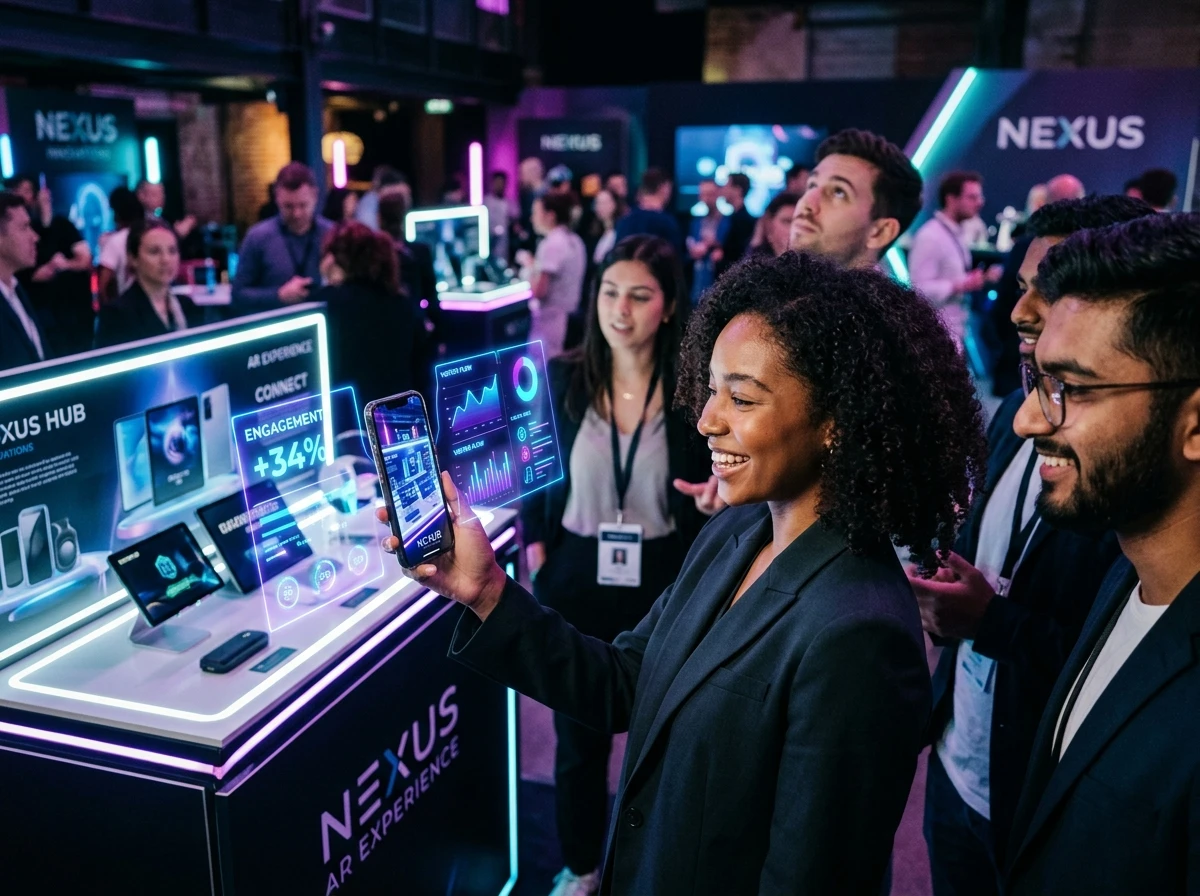
Augmented Reality (AR) is no longer just a fun social media filter. It's a powerful tool for brands to transform physical spaces into storytelling canvases. Participants can use their smartphones or AR glasses to overlay digital information onto a product, turn a blank wall into an interactive art piece, or watch virtual effects unfold on a stage.
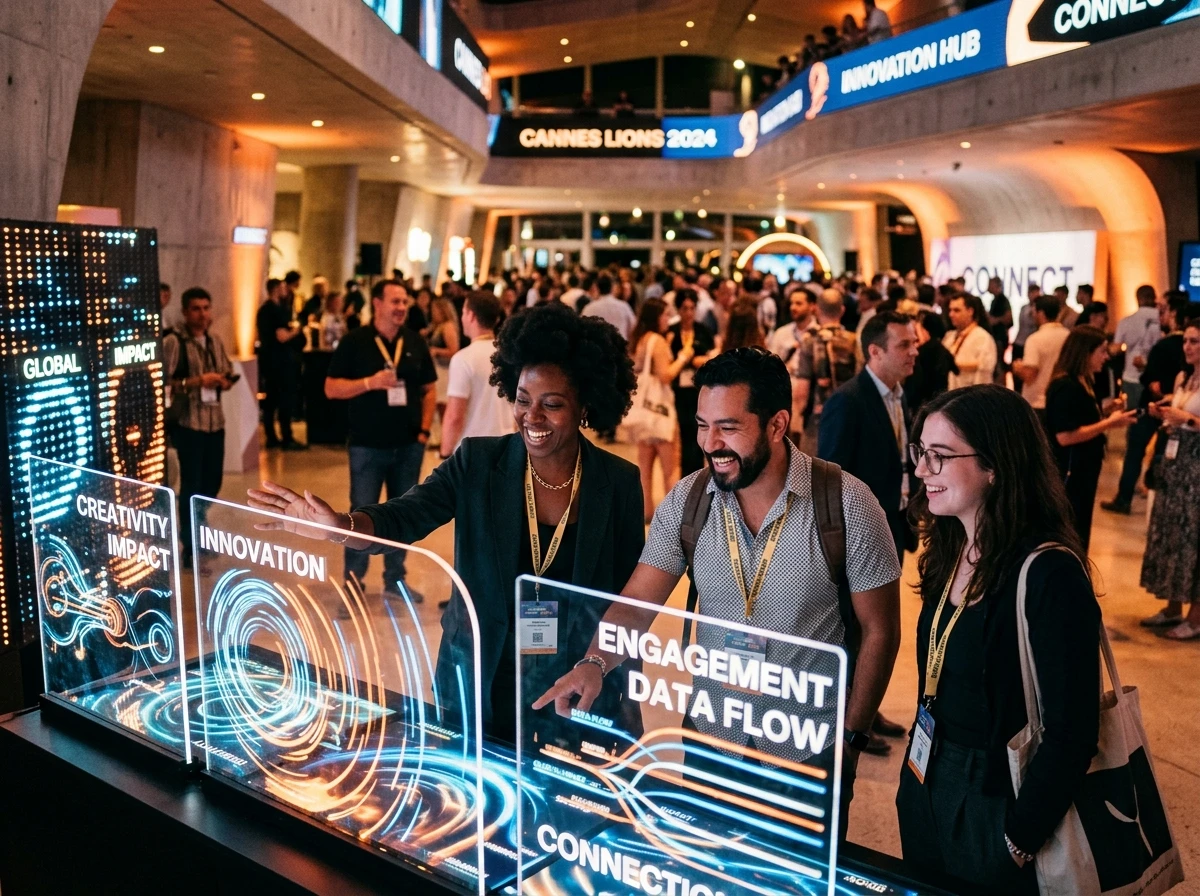
At creativity festivals like SXSW or Cannes Lions, we see how brands transform empty spaces into interactive playgrounds. Imagine a participant pointing their phone at a poster, and the poster comes to life, giving them a special quest. This transforms a passive observer into an active participant and significantly boosts the memorability of the experience.
3. Smart and Responsive Environments with Sensory Technologies
The next step in the phygital experience is to interact not just with the user's device, but with the space itself. IoT (Internet of Things) sensors, motion detectors, and AI-powered cameras can transform the physical environment into a "smart" structure that responds to participants' movements, density, and even collective mood.
Nike, for example, uses interactive floors in some of its flagship stores, equipped with projections that react to customers' movements as they test new shoes. Let's extend this concept to a brand activation: imagine an experience zone set up by a beverage brand where the music's tempo and the lighting's color change as people's energy and activity levels increase. This makes technology invisible, fostering a completely intuitive and emotional connection.
4. Digital Twins and Persistent Experience Universes
One of the biggest challenges of a physical event is its limited duration. Phygital strategies overcome this by creating a "digital twin" of the event. Establishing a virtual space where participants can continue to interact, access content, and communicate with each other even after the event concludes extends the lifespan of the experience and the return on investment (ROI).
Following a technology summit, participants could navigate a virtually modeled version of the exhibition floor, catch up on missed presentations, or meet with people they connected with in virtual meeting rooms. This has the potential to transform a one-off event into a persistent community hub built around the brand. Thus, the dialogue initiated in the physical realm continues seamlessly in the digital.
Conclusion: A Future Focused on Experience, Not Just Technology
The secret to successful phygital brand activations isn't how new the technology used is, but how human-centric and fluid an experience that technology creates. The goal isn't to impress participants with technology, but to build a deeper, more personal, and more memorable connection between them and the brand through technology. The QR code was a start, but the future of experience marketing lies in building invisible, smart, and meaningful bridges between the physical and digital worlds.
If you'd like to implement these trends for your brand and design an unforgettable experience, contact us.
Get a Quote for Your Project
Contact us for experiences that will make your events unforgettable.